
5 Ways Dragonbane Eliminates D&D Combat Bloat for Faster RPG Battles
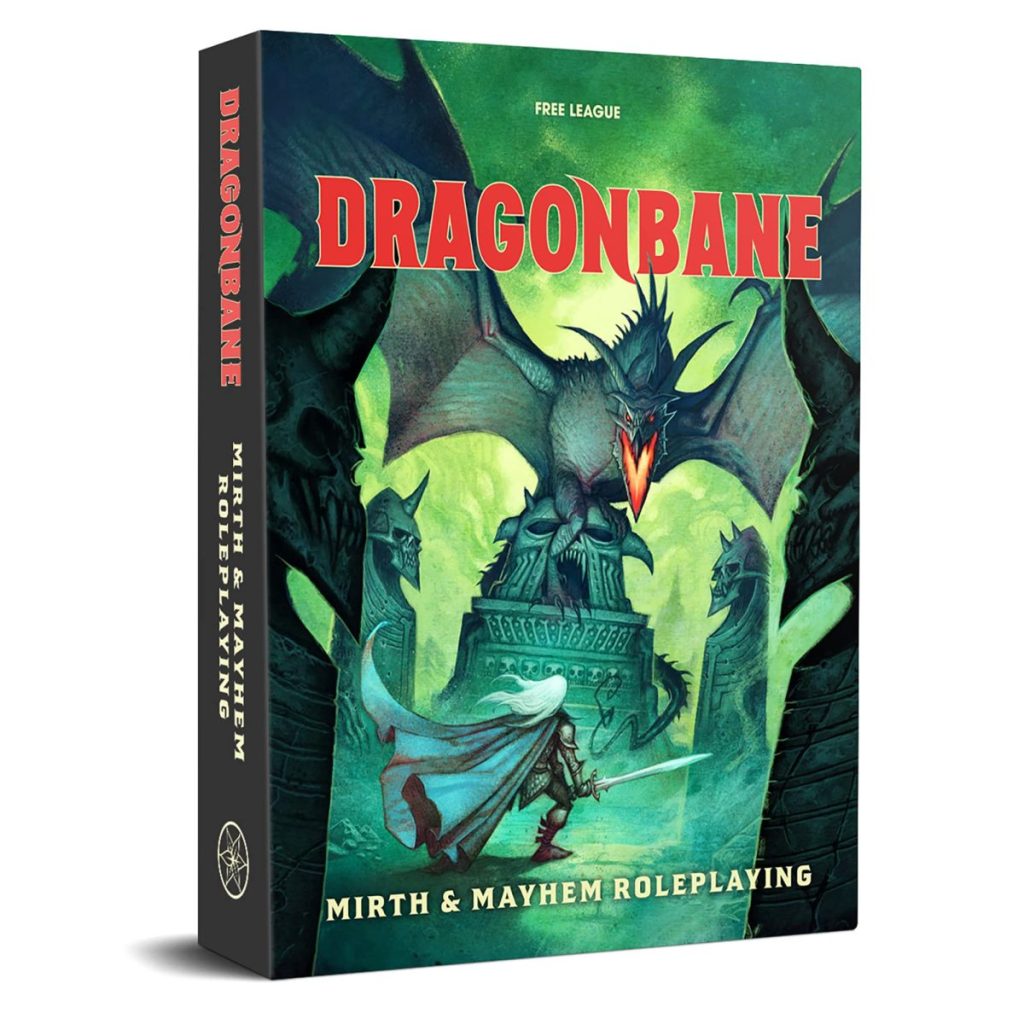
Fast. Brutal. Fun. If that does NOT describe your party’s last combat encounter, it might be time to bring Dragonbane to the table.
Watch the video: YouTube
Listen on the go: Apple Podcasts | Spotify | Web
Read it here ⬇️
If you have spent any length of time playing or running 5th edition, you know how encounters can slowly turn into a slog. Understanding how Dragonbane addresses D&D combat bloat offers fantastic insights into running faster, more engaging battles.
Here are five key ways this system streamlines tabletop action to keep every encounter moving.
1. A Brutally Tight Action Economy
In this system, action economy is strictly limited. On a turn, characters can move and take a single action in any order they choose. While there are a few basic free actions – like drawing a weapon or dropping an item – there are no bonus actions.
Reactions like parrying or dodging an attack exist, but using them costs your turn for the round. If you’ve already acted in the current round, you can’t take a reaction. If you haven’t acted yet and an enemy attacks, you face a strategic choice: do you spend your turn now to avoid damage, or save it to attack later? Every single decision carries immense weight.
2. A Skill-Based, Roll-Under System
The core mechanic relies on a skill-based, d20 roll-under system derived from RuneQuest and Basic Role Playing rather than traditional d20 systems like 5e. A natural 20 is an automatic failure, while a natural 1 is a critical hit (known as “rolling a dragon”).
Because players roll against their own skill scores rather than checking against a monster’s armor class, target numbers never shift mid-fight. Players instantly know whether their attack hits or if an incoming blow was evaded, eliminating the wasted time spent waiting to see if a roll beats a target number.
3. Card-Based Tactical Initiative
Rather than rolling dice for initiative and spending time tracking turn order, Dragonbane uses initiative cards numbered 1 through 10. At the start of each round, players and the GM draw a random card to determine the turn order, keeping the card displayed until their turn ends. Drawing cards takes only seconds, creating a seamless, tactile experience that removes turn-order confusion.
4. Restricted Hit Points for High-Stakes Fights
Unlike high-fantasy heroic systems where characters become virtually indestructible demigods, HP are strictly limited in Dragonbane. A character’s Constitution score directly determines their hit points, while non-monster enemies like orcs or skeletons usually possess between 10 and 25 HP. When a short sword deals d10 damage, combat is lethal and resolves way faster!
5. Monster Attack Tables That Remove GM Paralysis
Monsters do not roll to attack, meaning they never miss (though player characters can still attempt to evade or parry). Instead of massive stat blocks full of complex abilities, monsters operate on a d6 attack table.
When a monster acts, the GM simply rolls a d6 to instantly determine and execute the action – whether it’s a troll vomiting on the party, throwing a character across the room, or using a hero as a bludgeoning weapon. Taking the decision-making process out of the GM’s hands removes analysis paralysis entirely, resolving threats fast and putting the story right back to the players.
If you purchase any products linked on our website, we may receive an affiliate commission.