

Ever heard of rule zero? In the world of tabletop roleplaying games, this concept states that the rules are not in charge of your game. The GM is. While some players might get frustrated and claim their cheating DM is ignoring the book, the reality is that nearly every RPG is designed with this authority in mind. Most of the time, your Game Master is not cheating. They are simply exercising the power granted to them by the game itself to ensure the story stays exciting.
Watch the Video | Buy TTRPG Books and Accessories | More Game Content
What is Rule Zero?
Nearly every set of game master rules states rule zero in one form or another. For example, in the 1981 D&D Basic Rule book, Tom Moldvay wrote that D&D has no rules, only rule suggestions. He noted that no rule is inviolate, especially if altering it encourages creativity and imagination.
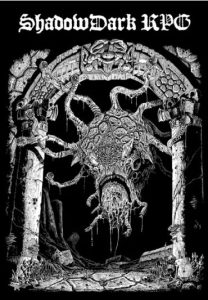
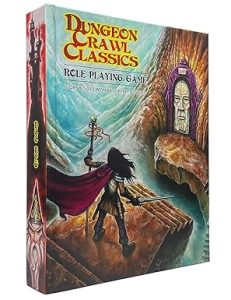
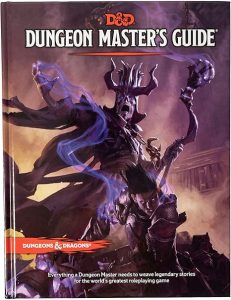
Similarly, the 2014 D&D Dungeon Master’s Guide explains that while rules help players have a good time, they are not in charge. You will find this same sentiment in other systems too. The Dungeon Crawl Classics core rulebook says the judge is always right and rules should bend to the judge. ShadowDark RPG takes the most direct approach, stating that the only rule is that you make the rules. In these games, the text is a guide, not a constraint.
When Your GM Isn’t Cheating
If your GM is changing monster stat blocks, interpreting a rule differently than you expected, or even fudging a dice roll, they are actually practicing rule zero. A good GM does these things to facilitate fun. For instance, a GM might make a troll vulnerable to cold instead of fire to challenge a player who is metagaming. By adjusting the mechanics on the fly, the GM is fulfilling their most important job: making sure everyone at the table is having a good time.
Can Rule Zero Be Abused?
While it is rare, a GM is a cheater if they stop keeping to the spirit of the game. There are three main ways this happens:
- Hidden Changes: While adjusting a monster is encouraged, changing core mechanics without telling the players can feel unfair.
- Adversarial Gaming: It is not a competition. If a GM treats the players as opponents rather than providing fun challenges, they are using their power with bias.
- Inconsistency: A GM must adjudicate rules consistently. If they allow one player to attempt something but refuse another player in a similar situation, that’s cheating.
Watch the Video | Buy TTRPG Books and Accessories | More Game Content
The goal of any RPG is to build community through shared fun. Most “rule breaking” is just a mistake or a quick decision to keep the action moving. Give your GM the benefit of the doubt, because the likelihood that they are actually cheating is incredibly small.
If you purchase any products linked on our website, we may receive an affiliate commission.