
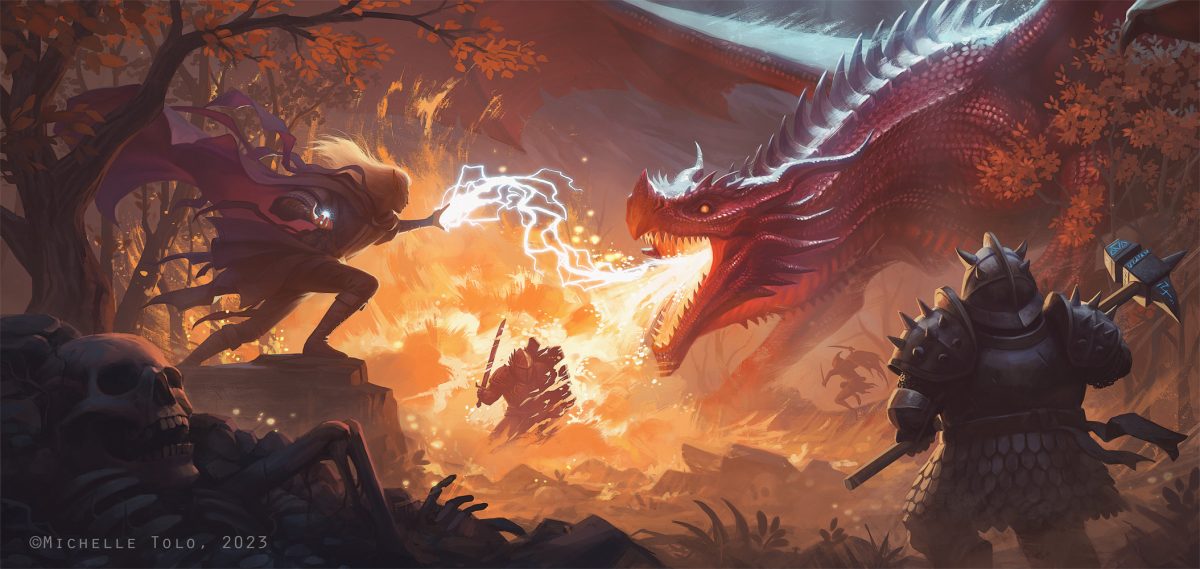
As Game Masters (GMs), we often get bogged down in the mechanics of balancing encounters. We pour over CR calculations, worry about XP budgets, and stress over whether the last fight was too recent. You might spend two weeks of beautiful-minding the calculus trying to design the most perfectly balanced encounters in history, only for the actual fight to feel dull and “meh.”
Watch the Video | Buy TTRPG Books and Accessories | More Game Content
Here’s the truth: Balance is boring, and constantly striving for it burns you out.
You spend so much time prepping encounters that give your players just enough challenge, but not too much, and then it just fizzles. The process of building it wasn’t fun, and the result wasn’t fun for the players. There was no adventure, no unpredictability, and no memorable moments.
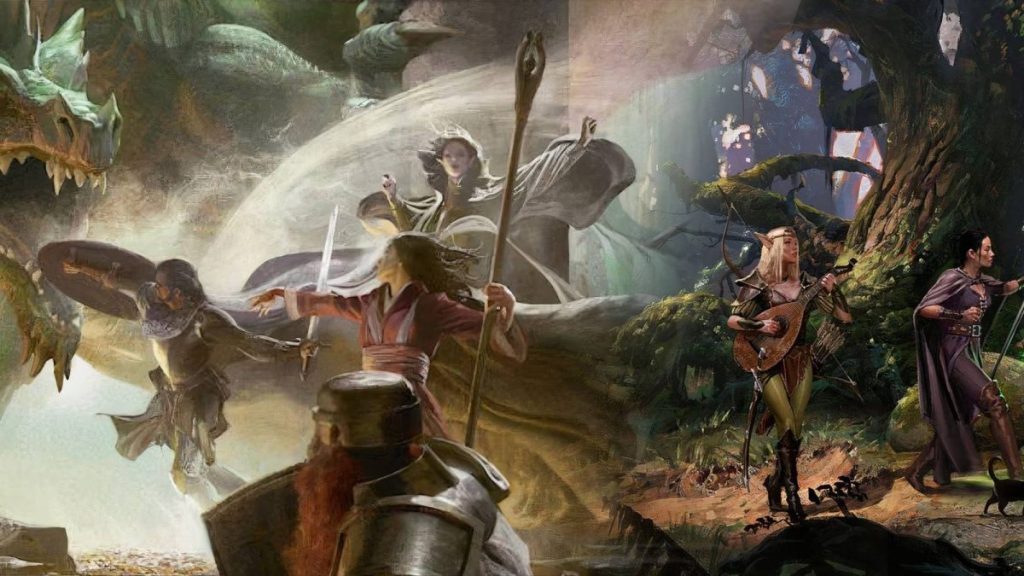
It’s time to recapture the fun of your D&D (or any TTRPG) campaign and maybe even spend less time on tedious prep – or at least spend more time on the stuff you actually enjoy. You do this by remembering one simple thing: combat shouldn’t be fair.
Forget the concept of balancing encounters.
How to Choose Your Monsters (When You Forget Balanced Encounters)
Once you let go of the need for perfectly balanced encounters, how do you decide which enemies your players will face? The criteria are actually much simpler, relying on common sense and the “Rule of Cool.”
- The Monsters Need to Make Sense: Choose creatures that logically fit the setting of your encounter. Don’t put a myconid in a sunny meadow or a shambling mound in the desert. While these are silly examples, worrying too much about a monster’s Challenge Rating (CR) might tempt you to use a creature that doesn’t fit your world’s lore or your vision for the scene. Go with what makes sense in your campaign world, even if it doesn’t fit another’s.
- Make It Cool: Embrace the most important rule of all: the Rule of Cool. If you have a cool idea, make it happen. Trust me, low-level characters would find it infinitely more fun to stumble upon a green dragon’s lair while exploring a mystical forest than to fight another perfectly balanced encounters.
How to Use Your Monsters (Don’t Be Afraid to Change Things Up)
Let’s say you decide a rust monster dropping out of the trees onto unsuspecting adventurers would be incredibly cool, but a Monster Manual rust monster doesn’t make sense in that environment. As the Game Master, you have the power to change that.
Don’t be afraid to change things up! If rust monsters hang out in the trees in your world, give them characteristics to make it logical. Maybe they’ve evolved natural camouflage and limbs that allow them to hide in the treetops, dropping onto adventurers to eat their gear. Don’t be bound by the Monster Manual. You are the DM. You’re free to change how they look, their abilities, their weapons, and especially their tactics. If the book says goblins carry short bows and scimitars, you can give them little gobbo war hammers.
Learn from Tucker’s Kobolds
For a masterclass in challenging players without relying on CR, look up “Tucker’s Kobolds.” This story, published by Roger E. Moore in Dragon Magazine in 1987, tells of a dungeon so dangerous that its most terrifying foes were mere kobolds.
These were regular kobolds facing down parties of level 6 to 12 adventurers, but they were run with incredible creativity and tactics. They used light crossbows, Molotov cocktails, shot at the party through murder holes in the ceiling, or locked them in a corridor and set it on fire. Even a low-CR enemy can be a massive challenge and loads of fun if you run it with creativity and tactics. That’s how you make a lame monster cool.
This style of play works in any system – D&D 5e, Pathfinder, or otherwise – but it’s a core design philosophy of games like Dungeon Crawl Classics (DCC). Balancing encounters is not really a “thing” in DCC, which encourages GMs to come up with their own monsters and crazy fun scenarios.
Let Your Players Know If You Ditch Balanced Encounters
If you’ve been running a balanced game and want to make this shift, be transparent. Tell your players ahead of time that you’re changing your approach to balancing encounters because you or they might be feeling burnt out.
Remind your players that they have more strategies and tactics available to them than what’s on their character sheet. Instead of running straight into hack and slash mode, they can use deception, try crazy stunts, or even run away! You aren’t going for a TPK; you’re going for cool stories. If they’re willing to branch out, they can experience cooler encounters and have more fun.
Watch the Video | Buy TTRPG Books and Accessories | More Game Content
If you purchase any products linked on our website, we may receive an affiliate commission.